

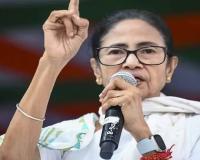
Addressing the situation, Ms. Banerjee asserted that the electoral contest was not fought against the Bharatiya Janata Party but rather against the Election Commission of India, which she accused of functioning in favor of the BJP. Her remarks come amid heightened political tensions in the State as questions arise over the legitimacy and conduct of the electoral process.
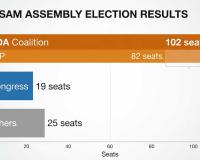
Simultaneously, the BJP has accelerated its efforts to consolidate power in West Bengal. On the same day, the party appointed Union Home Minister Amit Shah as its central observer for the election of the legislative party leader in the State. Additionally, BJP national president J. P. Nadda has been designated as the central observer for a similar process in Assam, signaling the party’s strategic push in multiple regions.
In another significant political development, M. K. Stalin, president of the Dravida Munnetra Kazhagam, has submitted his resignation as the Chief Minister of Tamil Nadu. An official communication confirming his resignation was sent to Tamil Nadu Governor Rajendra Vishwanath Arlekar, marking the beginning of a new phase in the State’s political landscape.
With Tamil Nadu, West Bengal, and Kerala now entering the crucial stage of government formation, the electoral outcomes have collectively delivered what observers describe as a transformative political mandate. The developments underscore a period of significant transition, with shifting power dynamics set to redefine governance and political alignments across key Indian States.
The unfolding scenario highlights not only the intensity of electoral competition but also the broader implications for democratic institutions, administrative processes, and political stability in the country.
About The Author








Comment List